
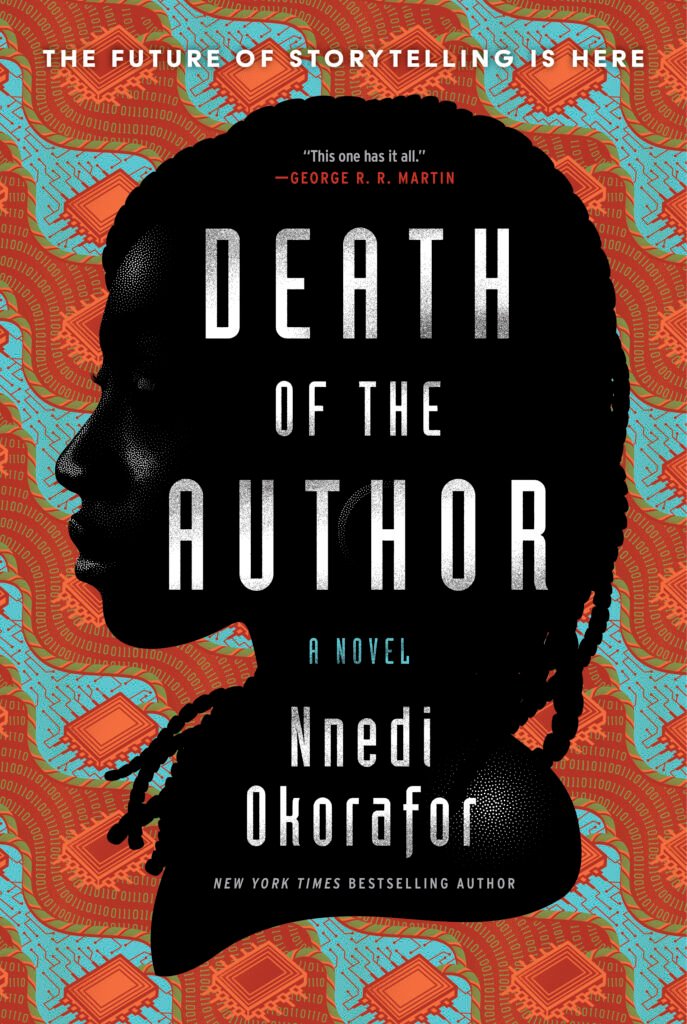
Death of the Author: A Disappointing Meta-Reflection
When I first stumbled upon Death of the Author by [Author’s Name], I was lured in by the intriguing concept of meta-fiction that’s been all the rage lately. Little did I know, I was about to embark on a frustrating journey through a wish fulfillment family drama that often felt more like an exercise in bewilderment than a narrative worth savoring.
At the outset, the novel presents itself as a blend of messy family dynamics and sci-fi elements reminiscent of beloved classics like Wall-E and Project Hail Mary. However, this mixing of genres does it a disservice, resulting in a lack of cohesion that ultimately dilutes the impact of both stories. I couldn’t help but think: are the robots in this tale meant to be commentary on our dependency on technology? Because it often veered into cliché territory, hammering its themes into the ground rather than allowing readers to discover the layers themselves.
The central character struggles through a family dynamic rife with toxicity—think of love intertwined with loathing. While the examination of familial ties can often lead to profound insights, here it became monotonous and draining, leading me to question the motives behind such a tone-deaf exploration of women and ambition. I found myself wishing the author had trusted the readers to draw their own conclusions instead of laying out each connection with the subtlety of a sledgehammer.

While the audiobook was well-produced, enhancing my engagement with the material, the content often left me wanting to throw my headphones across the room. Particularly jarring was the author’s take on cancel culture, which felt misinformed and oversimplified, dismissing valid criticisms as merely an attack on artistic freedom. Again, this commentary could have benefitted from a more nuanced approach, and in a time when discussions around representation and inclusion are more critical than ever, the tone often came off as regressive.
I’d be remiss not to mention the consistent stream of pop culture references that didn’t quite hit the mark. Trying to connect with an audience by name-dropping feels like a dated gimmick that detracts from the story rather than enriching it. In my mind, the emphasis on weed culture was a strange inclusion as well, serving little purpose and adding to the overall sense of distraction.
Ultimately, Death of the Author was a regrettable read for me. I could appreciate the author’s intentions to tackle pressing social issues, even if the execution was severely lacking. It’s a disappointing realization when a book that could have been insightful instead leans into tropes and harmful stereotypes without recognizing the implications.
Who should read this? Honestly, I’d steer clear unless you’re deeply curious about diving into a mixed bag of uninspired meta-commentary. If you’re looking for rich family dramas or thought-provoking science fiction, I implore you to look elsewhere. With such a cluttered narrative and questionable messaging, I hope this lands on the shelves of lessons learned for future authors.
Overall, my reading experience with Death of the Author was far from enjoyable, leaving me pondering not only its narrative choices but the broader implications of the messages it sought to present. A hard pass for me, but perhaps it will resonate differently with someone ready to embrace its chaotic offering.
Discover more about Death of the Author on GoodReads >>