
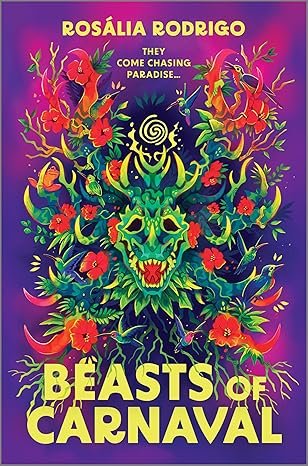
Embracing the Enchantment: A Review of Beasts of Carnaval by Rosália Rodrigo
When I first stumbled upon Rosália Rodrigo’s Beasts of Carnaval, I was drawn in by its mesmerizing premise: a vibrant, Caribbean island where indigenous spirits dance beneath the glamorous façade of colonial excess. As someone always on the lookout for literary gems that allow us to grapple with complex histories wrapped in fantastical tales, I knew I had to dive into this debut novel. Little did I anticipate the whirlwind of emotions that I would encounter within its pages—a journey that is as beautiful as it is devastating.
At the core of Beasts of Carnaval lies Sofía, a recently freed mestiza woman desperately seeking her twin brother, Sol, amidst the revelry of el Carnaval de Bestias. With her privileged friend Adelina—a character whose complexity is both compelling and inconsistent—she navigates a world of licking ice cream that tastes too sweet and enigmatic vejigantes, traditional carnival demons whose silence speaks volumes. The tension effortlessly builds through Rodrigo’s skillful pacing. Instead of exploding with action, the plot envelops you like the island’s warm embrace, gradually revealing the dark undercurrents rippling just beneath the surface.
The carnival itself stands out not just as a setting but as a formidable antagonist. It’s a seductive trap, a honeyed paradise where the trappings of colonialism distract the wealthy from the gathering strength of indigenous spirits. Rodrigo’s use of symbolism here is particularly striking; every explosion of color and sound becomes an illuminating commentary on the masked truths of our own world. As Sofía observes, she "preferred the honesty of those masks to the ones the patrons wore outside of Carnaval." This quote resonated with me; it encapsulates the heart of Rodrigo’s work—a reflection on how we often disguise our truths in polite society.




One of the most empowering aspects of this novel is its exploration of cultural reclamation and resistance. Rodrigo introduces us to the Taike’ri community, descendants of indigenous peoples wrongly assumed to be extinct. Through her meticulous research and heartfelt storytelling, the rich tapestry of Taike’ri culture comes alive, providing both authenticity and emotional weight. I found the moments where initiates drink from the sacred ceiba tree’s sap particularly moving; they embody a reclaiming of identity that echoes in our own struggles for heritage preservation.
Though the prose dazzles with vivid imagery, I found certain passages dense with exposition that risked slowing the narrative flow. There were times I yearned for more character development, especially regarding Sofía and Adelina’s relationship, which felt more functional than deeply felt. But as the tale unfolds, the complexity of Sofía and Sol resonates deeply—especially Sol’s transformation from a timid servant to a proud warrior, representing a call to empowerment that reverberated through me.
In its exploration of colonialism and resistance, the moral ambiguity of vengeance weaves a poignant thread through the narrative. Rodrigo doesn’t shy away from challenging questions—what does it mean to fight for liberation? The climactic destruction of the carnival is both cathartic and tragic, presenting a necessary yet devastating purging of the past.
In essence, Beasts of Carnaval is a triumph of cultural preservation disguised as engaging fiction. For anyone seeking a story that offers more than mere escapism, that challenges the very foundations of history while still keeping you on the edge of your seat, this book is for you. The lush Caribbean imagery, intertwined with real-world issues, captivated me and left a lasting impact, making it a must-read for fans of historical fantasy and those yearning for narratives that honor their roots.
Rosália Rodrigo’s debut reveals her potential not only as a writer but as a keeper of stories—a role echoed by her protagonist, Sofía. I cannot wait to see what she crafts next, but until then, I encourage you to immerse yourself in this vibrant world that defies easy categorization, and embrace its profound journey of healing and identity.
Discover more about Beasts of Carnaval on GoodReads >>