
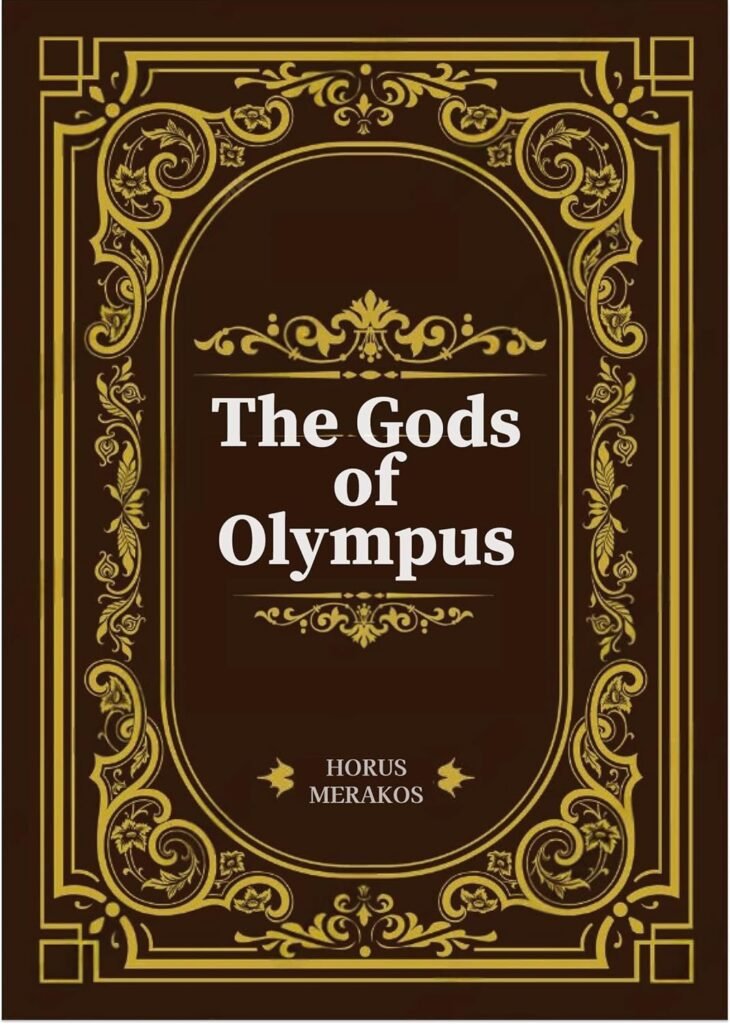
Enigmas and Empires: A Journey Through The Gods of Olympus: The Fall of Atlantis
When I stumbled upon The Gods of Olympus: The Fall of Atlantis, I was instantly drawn in by the promise of ancient tales interwoven with the legendary fate of Atlantis and the divine. The author, whose name resonates with a passion for mythological narratives, masterfully transports us to a world where gods and mortals collide in epic drama. This book isn’t just another retelling of familiar myths; it’s an invitation to explore the richness of human experience through the lens of the divine.
At the heart of this sprawling tale is Castia, a realm in disarray following the tragic death of its last emperor, Herakles. The aftermath leaves the nobles scrambling to unite, but chaos reigns supreme. The interplay of power, grief, and ambition felt palpable. I found myself captivated by Nezamis, a character dedicated to restoring order amidst the pandemonium. His journey is not just a physical expedition; it’s a compelling exploration of what leadership truly means when everything seems lost.
One of the standout themes in the book is the balance—or imbalance—between creation and destruction. The gods, who traditionally wield the power to shape destiny, seem conflicted as they observe humanity spiral into servitude to its own creations. This narrative thread prompted me to reflect on contemporary issues that mirror these ancient struggles, making the tale feel strikingly relevant.

The writing style is richly lyrical, embodying the epic tradition of storytelling while maintaining a contemporary edge. The pacing, although deliberate, allows for a deep dive into the characters’ psyches. Certain passages left me breathless, particularly the lyrical descriptions of realms “above the clouds,” where the gods convene. They evoke a vivid imagery that transforms mere words into cosmic landscapes, making my heart race.
A notable highlight is a moment when a character declares, “The gods illuminate our path, yet it is within us to tread the earthly terrain.” This quote resonated deeply with me, emphasizing the narrative’s underlying message: while divine influence is powerful, our choices ultimately shape our destiny. It’s this interplay of agency and predestination that hooked me throughout the novel.
As I closed the book, I found myself pondering not just the journey of Castia but also my own paths and choices. The Gods of Olympus: The Fall of Atlantis isn’t merely about gods and ancient lore; it’s a reflection on humanity itself.
I would wholeheartedly recommend this book to lovers of fantasy, mythology, and those who relish a good epic. If you find joy in unraveling the complexities of human nature through the prism of myth, this tale will resonate with you profoundly. It not only entertains but also invites introspection, asking us what it truly means to be human in a world where the divine often guides our course.
Ultimately, reading this book was more than just a literary escape; it was a reminder of the timeless narratives that shape our existence, immortalizing our joys, trials, and triumphs in the annals of mythology.