
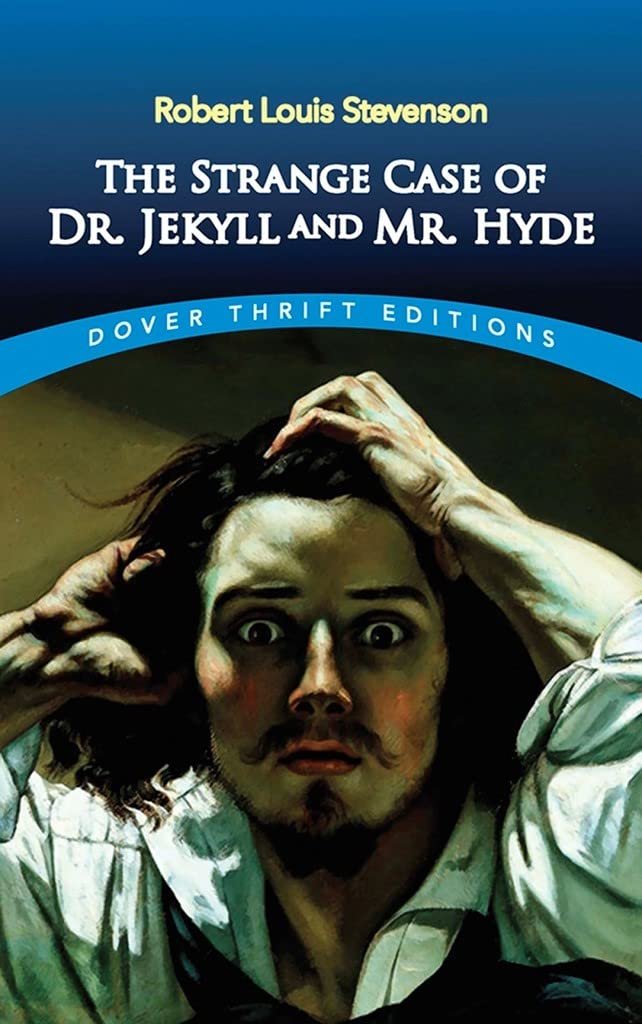
Exploring the Duality of Humanity in The Strange Case of Dr. Jekyll and Mr. Hyde
"Man is not truly one, but truly two." This quote from Robert Louis Stevenson’s The Strange Case of Dr. Jekyll and Mr. Hyde has echoed in my mind long after I turned the last page. Intrigued by the timeless exploration of good and evil, I picked up this 1886 classic, tucked neatly within the Dover Thrift Editions, drawn by its tantalizing premise and the promise of a riveting psychological thriller.
Set in the backdrop of Victorian London, the novel delves into the intricate duality that resides within us all. At its heart is Dr. Jekyll, a well-respected scientist who creates a potion that allows him to unleash his darker self, Edward Hyde. Jekyll’s struggle with his duality is one that many can relate to; it reflects our compulsions to hide our flaws while yearning to express our more sinister impulses. This theme struck a chord with me, as Stevenson skillfully highlights the internal battles we face, reminding us that darkness lurks just beneath the surface.


The plot unfolds through the eyes of Mr. Utterson, a lawyer and Jekyll’s close friend, whose curiosity leads him into a suspenseful quest to uncover the truth behind the ghastly transformations from Jekyll to Hyde. As Utterson grapples with the mystery, I found myself engrossed in the suspense. Stevenson’s elegant yet sharp prose drives the narrative with rapacious energy, propelling readers through a series of unexpected twists that keep the pages turning. Although the book is a compact 64 pages, its brevity contributes to the urgency of the storytelling.
One of the most notable aspects of Stevenson’s writing is how he masterfully creates tension and atmosphere. The foggy streets of London become a character in their own right, enveloping the reader in a sense of dread and anticipation. The narrative style—marked by compelling imagery and a reflective tone—offers a deeply intimate look into both Jekyll’s and Hyde’s conflicting motivations. Phrases like "the moment I choose, I can be rid of Mr. Hyde" linger like an unsettling melody, urging reflection on the fine line between our civilized selves and the chaos we keep at bay.
My personal takeaway from this classic is simple yet profound: the exploration of identity isn’t solely the province of the extraordinary; it speaks to our everyday experiences with morality and choice. The tale is a riveting reminder of how societal expectations shape behavior, and how a lack of self-acceptance can lead to catastrophic outcomes.
The Strange Case of Dr. Jekyll and Mr. Hyde is a thought-provoking read for anyone interested in philosophical explorations of duality, morality, and the human condition. It resonates strongly with adults who appreciate nuanced storytelling interwoven with deeper questions about identity and ethics. Additionally, given its compact nature and the significant themes it addresses, it serves as a fantastic conversation piece for reading groups or study discussions.
In conclusion, as I reflect on Jekyll’s tragic plight, I feel both unnerved and enlightened. This classic not only entertains but invites you to grapple with the notions of good and evil that reside within each of us, making it a timeless read that I wholeheartedly recommend to anyone willing to confront their own inner complexities. Are we not all a little Jekyll and Hyde in our own ways?