
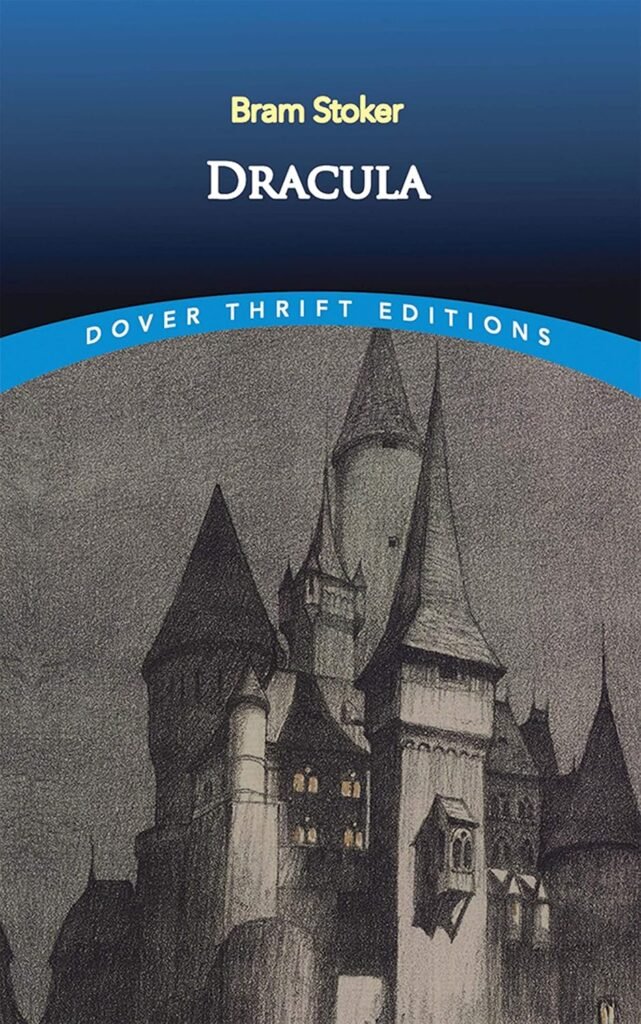
Embracing the Shadows: My Dive into Bram Stoker’s Dracula
When I first picked up Bram Stoker’s Dracula, I was on the hunt for a classic that promised thrill and chills—a companion for a late autumn evening. With its iconic title and a history soaked in mystery and horror, this novel has intrigued me since childhood. As a tale that has spurred countless adaptations and interpretations, I found myself eager to unearth the roots of what has become a staple in gothic literature.
The premise is compelling: young solicitor Jonathan Harker is sent to Transylvania on business, where he encounters the enigmatic Count Dracula. His mundane world is turned upside down as he navigates the eerie castle, only to be ensnared by its supernatural inhabitants. The narrative’s unfolding through letters, diary entries, and newspaper clippings adds a level of intimacy and immediacy that draws the reader into each character’s psyche. I found myself holding my breath during Harker’s encounters with the Count and those ethereal female vampires, a clever touch that amplifies the novel’s tension.
Stoker’s writing style evokes the Victorian era beautifully, blending elaborate imagery with an unsettling atmosphere. While the pacing can feel uneven—some parts race ahead while others linger—this divergence serves to heighten the sense of dread. I particularly appreciated how the description of Dracula’s transformation from man to beast stirred something primal within me, reminding me of the thin line between human civilization and the animalistic terror that lurks just beneath the surface. It’s a theme that remains relevant to this day: what are our own modern monsters?
One of my favorite passages captures Dracula’s sinister charm: “I am Dracula; and I bid you welcome, Mr. Harker, to my house.” This line encapsulates the blending of allure and danger that defines the Count. It’s a reminder that often, the most captivating figures in literature are those that embody contradiction. The romantic allure he exudes while committing unspeakable acts kept me riveted, one moment captivated by his charm, the next, chilled to the bone by his brutality.
As I immersed myself in Stoker’s world, I couldn’t help but reflect on its enduring legacy; countless films, books, and pop culture references stem from this very story. Readers and viewers today encounter a vastly different narrative than that faced by audiences in 1897. Yet, the human struggles with desire, fear, and the unknown remain constant.
I believe Dracula will resonate with a broad audience: those with a penchant for gothic horror, fans of classic literature, or even those intrigued by the evolution of folklore in modern media. It’s a work that doesn’t merely tell a story of terror; it examines the dualities of humanity, tradition, and societal values.
In closing, reading this edition of Dracula has been a rich experience—one that reignited my appreciation for classic literature in a world filled with fast-paced narratives. I am left pondering not only the legacy of vampires in our shared cultural imagination but also our ongoing dance with the darkness within. If you’re seeking a tale that weaves together chills, romance, and a thought-provoking exploration of good versus evil, I wholeheartedly recommend this immortal classic. Let it be your guide into the shadowy realm of the unknown!
You can find Dracula (Dover Thrift Editions: Classic Novels) here >>