
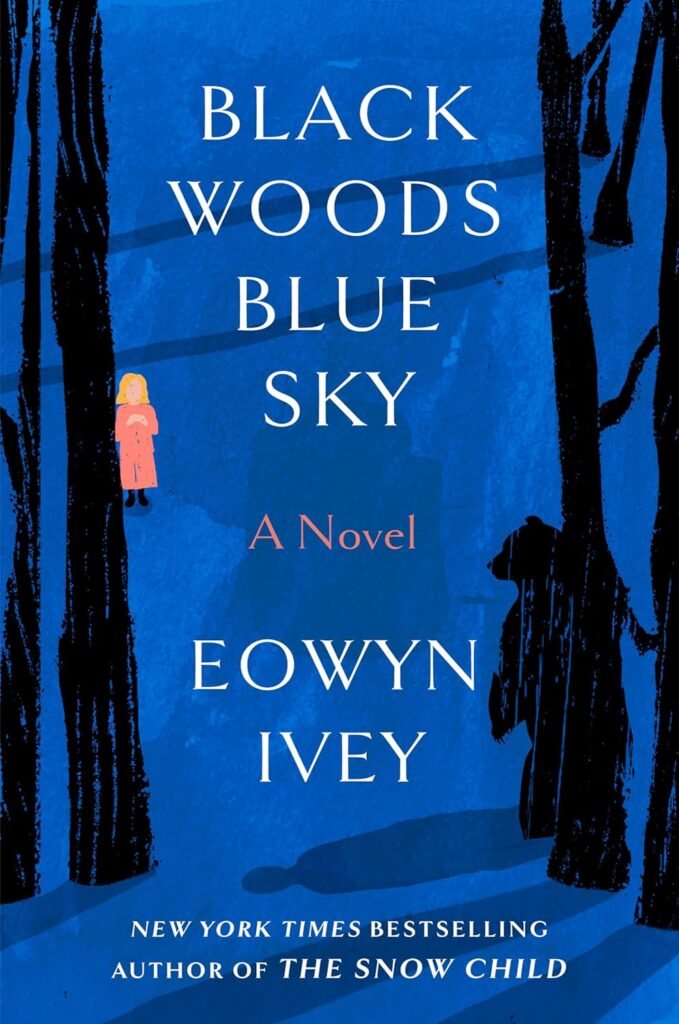
Review of Black Woods Blue Sky by Eowyn Ivey
When I first stumbled upon the announcement for Black Woods Blue Sky, I felt an electric thrill of anticipation. Eowyn Ivey, an author known for weaving intricate connections with nature and human emotion, was stepping into the realm of retellings—a category that has enchanted me from a young age. I’ve devoured countless variations of Beauty and the Beast, a tale that has, over the years, become a sort of compass for me in understanding love, transformation, and vulnerability. It was this connection that drew me to Ivey’s work, and my eagerness quickly turned into a mix of hope and trepidation.
Reading through Black Woods Blue Sky, I found myself both engaged and deeply troubled. The novel is an intricate tapestry of classic fairy tale motifs, particularly the familiar elements of Beauty and the Beast and themes from East of the Sun, West of the Moon. Ivey introduces us to Birdie and Arthur, a quintessence of complications wrapped in the guise of a romantic fable. As Birdie grapples with her own demons—alcoholism, trauma, and poor decision-making—I couldn’t help but feel an uncomfortable tension.





There are compelling elements in Ivey’s exploration of domestic violence through Birdie’s lens, but the manner in which these elements were juxtaposed against the fairy tale backdrop felt erratic. The moments intended to highlight the horrors of abuse seemed at odds with the fantastical nature of the story, leaving me questioning whether the gravity of those themes was undermined by the narrative’s execution.
Ivey’s prose certainly shines in its evocative portrayal of Alaska’s stunning landscapes. The wild, untamed beauty comes alive within the pages, creating an almost palpable presence that I found comforting, yet ironic against the book’s darker narrative threads. I often paused to admire her vivid descriptions, pondering how they mirrored Birdie’s turbulent internal landscape.
Yet, amidst this atmospheric beauty, I grappled with some fundamental critiques. At its core, Black Woods Blue Sky seeks to interrogate the traditional fairy tale narrative—but does it succeed? Ivey herself stated her desire to hold fairy tales accountable, but at times, it felt as though the accountability was lost among the story’s chaotic elements. Birdie’s interactions with Arthur raised complex questions about consent and power dynamics, yet these conversations often felt muddled, leaving me unsettled rather than enlightened.
Ultimately, I found myself at a crossroads with this book: while it attempts to fuse the enchanting with the real, it also poses uncomfortable questions about authority, love, and responsibility without fully resolving them. I appreciate Ivey’s ambition to tackle such weighty themes, but I wonder if the combination of a beloved fairy tale and deeply rooted societal issues didn’t quite mesh as intended.
In conclusion, Black Woods Blue Sky will likely resonate with readers who thrive on challenging narratives that weave in elements of magic and harsh reality. If you’re drawn to explorative storytelling that doesn’t shy away from tough subjects—buried beneath layers of folklore—then this book may be your cup of tea. However, if you seek a seamless retelling that honors the intricate beauty of its source material, you might find yourself yearning for more than what Ivey ultimately delivers. As for me, while I engaged with the world she crafted, I emerged from it feeling more perplexed than enchanted.
Discover more about Black Woods Blue Sky on GoodReads >>