
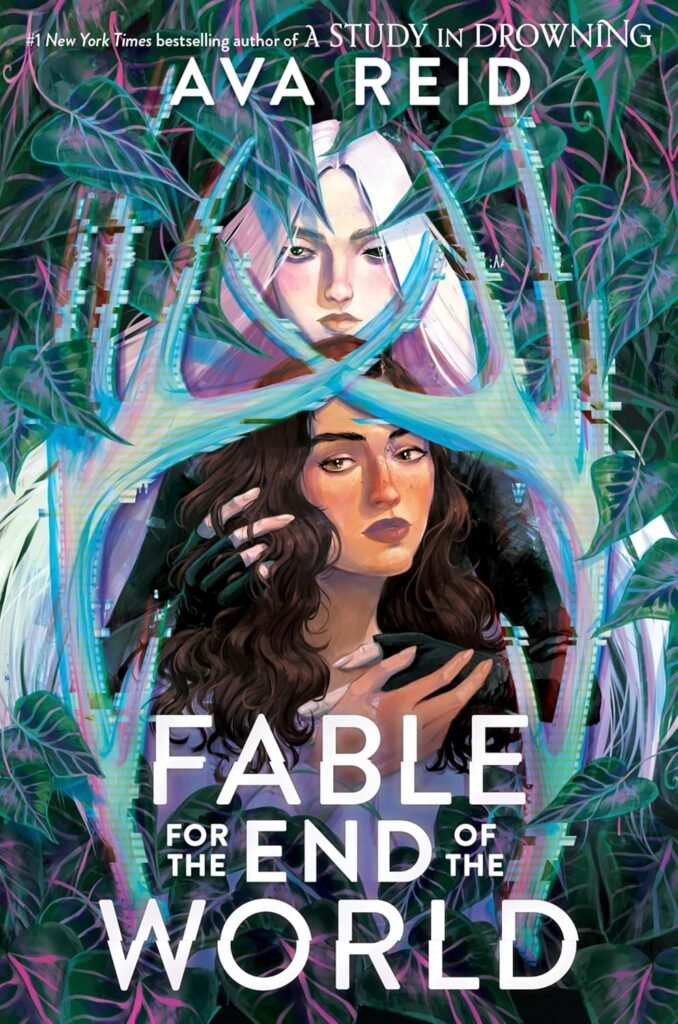
Fable for the End of the World: A Dystopian Journey Worth Taking
When I first stumbled upon "Fable for the End of the World" by Ray Nayler, I was immediately intrigued by its title. It stirred a cocktail of curiosity and trepidation within me, like a promise of adventure set against a haunting backdrop. This book didn’t just catch my eye; it gripped my imagination and refused to let go. Set in a ravaged world where survival is a twisted game, Nayler delivers both a critique of societal structures and a profound commentary on the choices we make.
In the dystopian landscape of New Amsterdam, we are met with the chilling Gauntlet—a grotesque game where debts can be paid off with a life. The world, reeling from a nuclear disaster and rising sea levels, feels painfully relevant, echoing contemporary anxieties about our planet’s future. The omnipresent Caerus Corporation represents a chilling force, encapsulating the theme of choice versus control. As I read, I couldn’t help but think of our modern struggles with debt and corporate power, making the narrative resonate on an almost alarmingly familiar level.
The story revolves around two compelling characters: Inesa, the sacrificial Lamb, striving to survive in a world that threatens to swallow her whole, and Melinoë, the killing machine dubbed the Angel, grappling with her own haunting memories. Their paths intertwine in a way that explores not just survival but the complexities of compassion and identity in a world orchestrated by corporate puppeteers. I appreciated how their struggles encapsulated both the human experience and the harsh realities of a system designed to erode hope.


Nayler’s writing style is lyrical and immersive, pulling us into this tortuous reality with evocative descriptions and rich world-building. I found myself utterly captivated by the intricate layers of New Amsterdam’s society, soaking up every morsel of its history and despair. The opening chapters, in particular, stood out for their detailed exploration of themes of debt and survival, cleverly setting the groundwork for the unfolding narrative.
I left the book with a mix of awe and contemplation, particularly regarding its ending, which I found both anticlimactic and thought-provoking. Nayler reminds us that revolutions—both personal and societal—are often slow and messy, with change occurring in evanescent sparks rather than grand gestures. It brilliantly encapsulates the idea that even the smallest acts of compassion can drive tremendous change, a resonant message amidst today’s chaos.
"Fable for the End of the World" is a fresh, innovative take on a familiar genre that many will find captivating, especially fans of dystopian literature. I believe it will resonate with anyone who enjoys stories that challenge societal norms while maintaining a deeply human core. This book left a profound impression on me, urging me to reflect on the world we architect and, more importantly, on the choices we make every day—a truly remarkable reading experience that I wholeheartedly recommend. Thank you, Del Rey, for the ARC; this is a story that will linger long after the last page is turned.
Discover more about Fable for the End of the World on GoodReads >>