
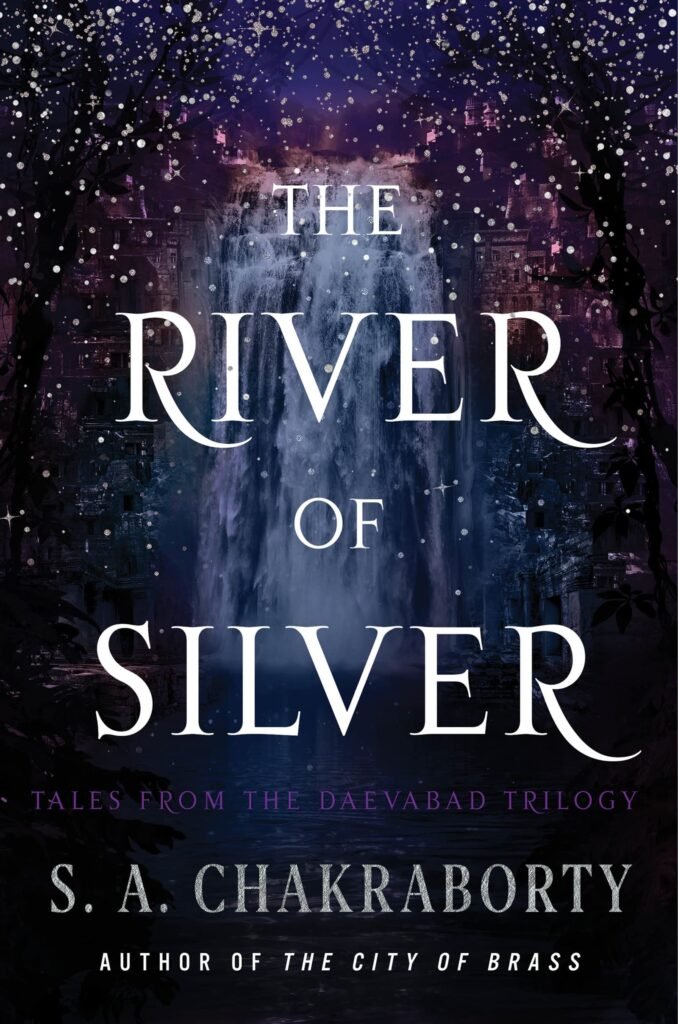
Review of The River of Silver: Tales from the Daevabad Trilogy
When I first cracked open The River of Silver: Tales from the Daevabad Trilogy by S.A. Chakraborty, I was flooded with nostalgia for a world I had come to know and love so intimately. This now-majestic realm of Daevabad isn’t just backdrop; it’s a living entity that feels as much a character as Nahri, Ali, or the ever-complex Dara. My anticipation for this collection of short stories was palpable, and I can confidently say that it did not disappoint. It’s my first 5-star read of the year, but let’s be real—I saw it coming from a mile away!
Chakraborty beautifully expands on a beloved universe, diving deeper into not only our main characters—Nahri, Ali, and Dara—but also the side characters and even the villains like Manizeh. The emotional weight of this collection hit me hard; I found myself physically reacting, flushed with feelings in the middle of class because this book demanded my attention. With its multiple points of view, including insights from characters like Duriya and Hatset, the collection perfectly showcases Chakraborty’s ability to paint her characters with intricate layers of humanity.
One of the standout elements for me was how Chakraborty navigated the complexities of familial love and ambition. Manizeh, for example, presented a surprising depth, evoking pity I didn’t anticipate. Her tender hopes for Jamshid reveal a mother’s love that is both profound and painfully conflicted. Duriya and Rustam’s comedic chemistry had me laughing out loud—their youthful banter felt as fresh and vivacious as ever, and I desperately yearn for more future stories from them.





Equally compelling is Hatset’s fierce devotion to her people, her depth revealed through her multifaceted roles as a mother and queen. Chakraborty’s dialogue excels at emphasizing complexities—like Ghassan’s seemingly kind attempts to welcome Hatset while still being the villain we all love to hate. This juxtaposition leaves readers questioning their own feelings about loyalty, love, and power, which is a hallmark of Chakraborty’s storytelling.
Narratively, the pacing feels just right; it’s a dance of tension and tenderness wrapped in breathtaking prose. Chakraborty’s writing flows seamlessly, allowing readers to dive into the emotional ocean she has crafted. Her ability to blend humor with heartbreak stood out profoundly—one moment I’d find myself laughing, and the next, I’d be on the verge of tears. Such is the stark power of her storytelling.
Quotable moments resonated deeply throughout the collection; for instance, when Nahri’s relationship with Ali unfolds with bittersweet complexity, their interactions—layered with humor and warmth—reminded me why I fell in love with this series in the first place. Lines like “This place, this Palace, it eats people up from the inside,” echo chilly warnings that reflect upon the natures of ambition and sacrifice.
In conclusion, The River of Silver is a treasure trove for fans of the Daevabad Trilogy, and I enthusiastically implore all readers—if you’ve stepped foot into this enchanted realm, do not miss this collection! Chakraborty masterfully intertwines emotional richness with unforgettable characters. It’s more than mere nostalgia; it’s a celebration of a world I will always cherish. If you adore layered characters, complex world-building, and narratives that tug at your heartstrings while tickling your funny bone, then you owe it to yourself to dive back into Daevabad.
Happy reading, my fellow adventurers—may your heart shine brightly along these tales!
Discover more about The River of Silver: Tales from the Daevabad Trilogy on GoodReads >>