
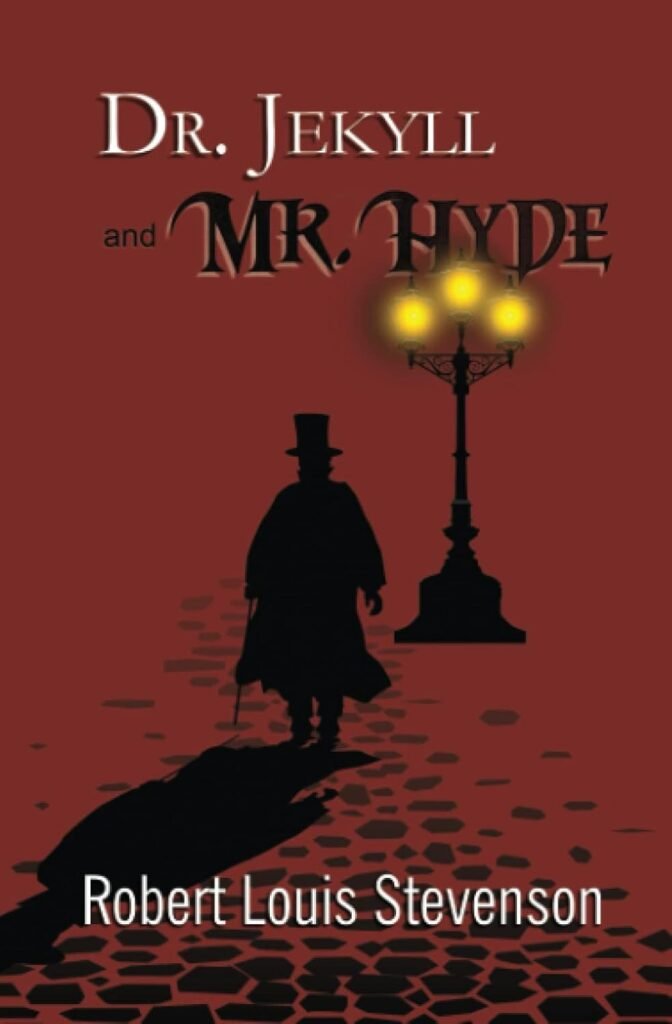
Exploring the Shadows: A Personal Reflection on Dr. Jekyll and Mr. Hyde
As I settled into my cozy nook with Dr. Jekyll and Mr. Hyde – the Original 1886 Classic by Robert Louis Stevenson, I felt a sense of anticipation that only great literature can inspire. I had long heard whispers of this classic tale, often cloaked in the allure of horror, yet I was struck by an instinctual curiosity about the duality of human nature it promised to explore. Having heard it referenced in everything from films to modern novels, I was eager to dive into the original text and unravel the complexities lurking within.
At its heart, Dr. Jekyll and Mr. Hyde delves into the fascinating—yet terrifying—concept of duality. The story follows Dr. Jekyll, a well-respected scientist, as he becomes obsessed with understanding the dual nature of humanity. His experiments lead him to create a potion that transforms him into the malevolent Mr. Hyde, who acts out Jekyll’s darker impulses without consequence. What struck me most was the chilling representation of good and evil coexisting within the human soul, a theme that resonates deeply even today. Stevenson masterfully navigates this delicate balance, reminding us that beneath the surface of respectability can lie our most shameful instincts.
Stevenson’s writing is fluid and deceptively simple, allowing the story to unfold smoothly while always hinting at the underlying horror. The atmospheric descriptions of Victorian London set a tone that drapes the narrative in tension and foreboding. I found myself captivated by the perspectives offered through the voices of Jekyll’s friends, particularly that of Mr. Utterson, who serves as the logical observer trying to decode Jekyll’s troubling transformations. The pacing, although methodical, built suspense effectively—each revelation teased out the darker nuances of Jekyll’s tale.


One memorable quote leaped from the page: “All human beings, as we meet them, are commingled out of good and evil.” This line lingered with me long after I closed the book, reinforcing the notion that we are all grappling with our own inner conflicts. It invites the reader to reflect on their own moral compass and the masks they wear.
Reviews from others mirrored my own intrigue, with one reader noting how it’s not just a “monster horror tale” but rather a profound exploration of man’s sinfulness. Indeed, the novella feels more like an allegorical study of human nature than merely a suspenseful horror story.
As I closed the book, I was left with a deep sense of contemplation. Dr. Jekyll and Mr. Hyde isn’t just a classic because of its age; it continues to resonate because of its exploration of the timeless themes of good and evil. It’s a perfect read for anyone drawn to psychological mysteries, philosophical discussions, or gothic literature. If you find joy in peeling back the layers of human nature or enjoy a well-crafted narrative that challenges the morality of its characters, this is the book for you. I strongly encourage you to take the plunge into Stevenson’s world—it may just leave you questioning the very shadows that dance within us all.
You can find Dr. Jekyll and Mr. Hyde – the Original 1886 Classic (Reader’s Library Classics) here >>